

Longevity, Responsibility, Enjoyment: What Connects triangle with Slow Food
Bild Quelle: Carlo Petrini von Bruno Cordioli , CC BY 2.0
With Carlo Petrini, the founder of Slow Food passed away on May 21, 2026. What remains is far more than a movement against fast food: it is the idea that food is enjoyment, responsibility, culture and future all at once — an attitude to which we at triangle also feel connected.
With Carlo Petrini, international food culture loses one of its defining voices. Since the 1980s, he turned a protest against the standardization of taste into a global movement. Today, Slow Food stands in more than 160 countries for good, clean and fair food for all — and for the conviction that quality, origin, craftsmanship and dignity belong together.
Carlo Petrini’s attitude was never to understand enjoyment as mere luxury. For him, culinary quality, biodiversity, regional roots and social justice were inseparably linked. To this day, Slow Food describes its work through the fields of biodiversity, education and social influence. In a recent column, Petrini emphasized that a vibrant food culture emerges from diversity, community, artisanal knowledge and cultural exchange.
As a member of Slow Food, we at triangle see values in this that are close to our own. We have been developing and manufacturing kitchen tools in Solingen since 1946 and understand good products as functional, durable and timeless. Our aim is not a quick effect, but to create tools that stand the test of everyday use and accompany the joy of cooking for many years.
For us, sustainability therefore means above all responsibility in concrete terms: production in Germany whenever possible, regional woods with short transport routes, FSC-certified materials, GreenGrip solutions based on renewable raw materials and recycled cooking oil, packaging with less plastic, green electricity since 2013, as well as spare parts for a long service life instead of a throwaway mentality.
This attitude fits with what Carlo Petrini stood for: respect for resources, for craftsmanship, for regional identity and for the person behind the product. We do not produce food. But we believe that conscious enjoyment also depends on how we prepare food, which tools we work with and whether we manufacture things in a way that allows them to last.
We therefore take the death of Carlo Petrini not only as an occasion to remember, but also as a quiet obligation. His idea lives on wherever quality is more important than arbitrariness, wherever diversity is protected and wherever sustainability is understood not as a buzzword, but as a daily practice.

Recommended
These kitchen tools fit the theme
-
 €67.60

Author

-
 White Asparagus with Lemon Butter, Potatoes and Herb BreadcrumbsA simple white asparagus recipe with baby potatoes, lemon butter and herb breadcrumbs. Including tips for peeling and serving with the triangle aspar...Read more
 -
 Confiseriepalette oder Winkelpalette? Arten und EinsätzeGerade, gewinkelt, spitz oder als Rakel – je nach Form erledigt eine Palette in der Pâtisserie und in der Hobbyküche ganz unterschiedliche Aufgaben. ...Read more
 -
 White Asparagus with Lemon Butter, Potatoes and Herb BreadcrumbsA simple white asparagus recipe with baby potatoes, lemon butter and herb breadcrumbs. Including tips for peeling and serving with the triangle aspar...Read more
 -
 triangle CHEF - Curated for Professionalstriangle Bundles Professional Expertise in the New “triangle CHEF” RangeRead more
 -
 Exclusively available: Three Snow StrainersProfessional High-Performance Strainers from JapanRead more
 -

-

-
 With heart for our city: Why triangle believes in sponsorshipWhy Sponsorship Matters to Us at triangle As a company from Solingen, we are proud of our roots and of the people who bring our region to life every ...Read more
 -
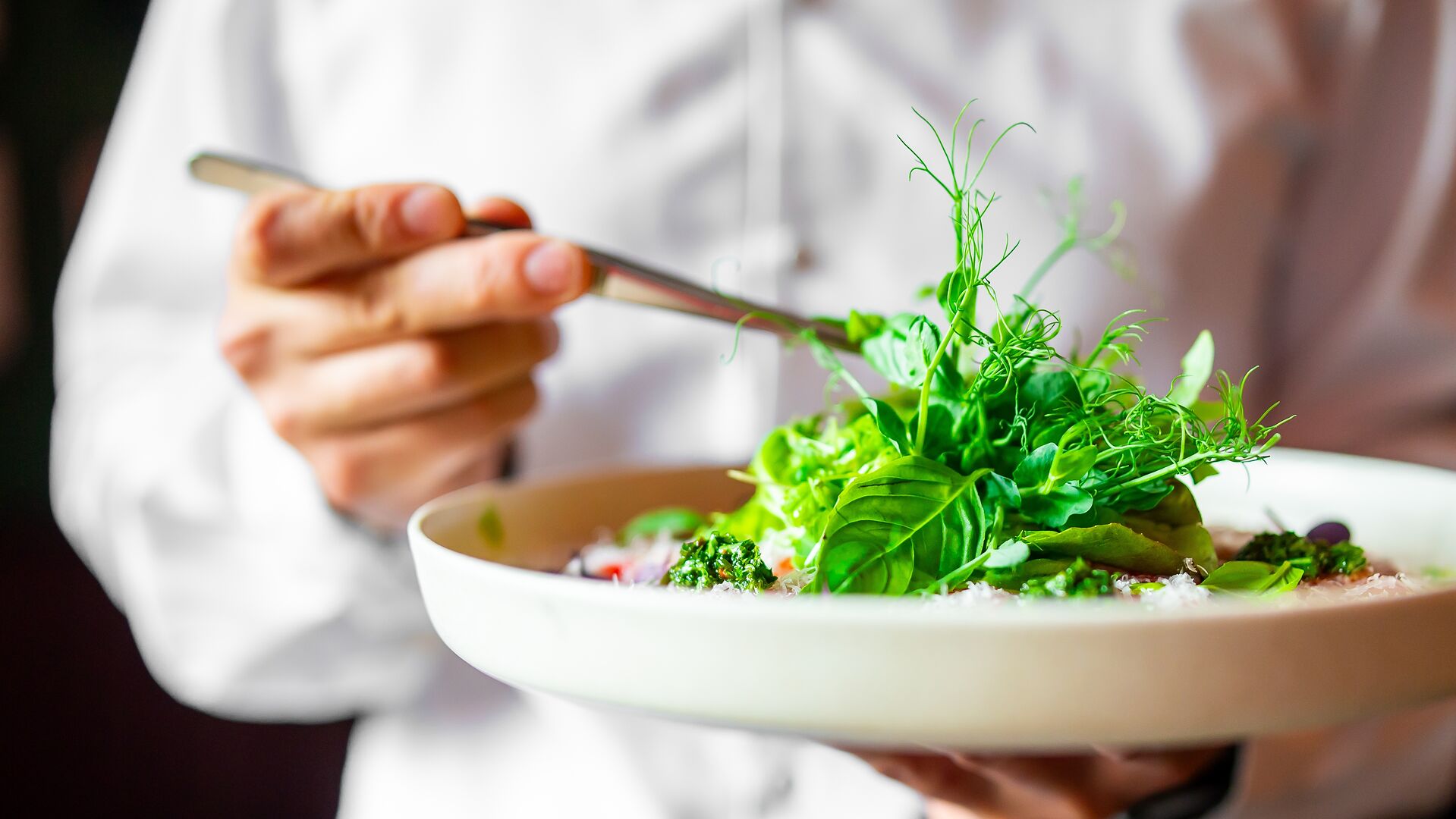 Tweezers – Made in GermanyExperience our new kitchen tweezers - entirely handcrafted in Solingen...Read more
 -

-
 Our membership at amforiWhy are we at amfori? – A step towards sustainable and ethical tradingRead more
 -
 La cuisine de GéraldineIf you follow us on social media, “La cuisine de Géraldine” may have caught your eye. We have been working with the wonderful French food blogger for ...Read more